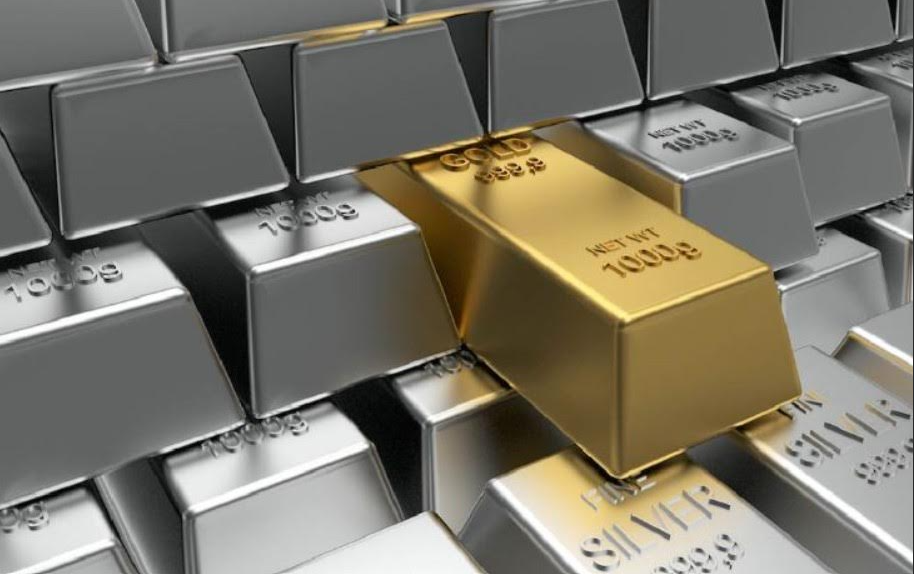
Investing in precious metals has always been a trusted strategy for Canadians looking to protect their wealth against inflation, economic uncertainty, and market volatility. As 2026 approaches, many investors are once again comparing gold and silver to decide which metal offers better value and long-term security. Trusted dealers like 24 Gold Group Ltd. have seen increasing interest from both new and experienced investors who want to diversify their portfolios with physical assets. But the big question remains — gold or silver, which is the smarter investment choice for Canadians in 2026?
This guide breaks down the differences, benefits, risks, and future outlook of both metals so you can make an informed decision.
Understanding Precious Metal Investing in Canada
Before choosing between gold and silver, it’s important to understand why precious metals play such an important role in Canadian investment strategies. Unlike stocks or cryptocurrencies, gold and silver have intrinsic value and are not tied to a single economy or company. They act as a hedge against inflation and currency fluctuations, especially during uncertain economic periods.
In Canada, investors commonly buy precious metals in the form of bullion bars, coins, and sometimes through refining or resale options. The decision between gold and silver depends largely on your budget, risk tolerance, and investment goals.
Why Gold Remains a Top Investment Choice in 2026
Gold has long been considered a safe-haven asset, and that reputation continues in 2026. Central banks around the world still hold gold reserves, and during economic slowdowns, investors often move their money into gold to preserve value.
Key Benefits of Investing in Gold
- Stability: Gold prices tend to be less volatile compared to silver.
- Inflation Protection: Gold historically performs well when inflation rises.
- High Value, Easy Storage: A small quantity of gold holds significant value, making it easier to store and insure.
- Strong Long-Term Performance: Gold has maintained purchasing power over decades.
For Canadians who prioritize wealth preservation and long-term security, gold remains a dependable choice.
Why Silver Is Gaining Attention Among Canadian Investors
Silver is often seen as gold’s more affordable counterpart, but it offers unique advantages that make it attractive in 2026. Unlike gold, silver has extensive industrial use in electronics, solar panels, electric vehicles, and medical equipment.
Key Benefits of Investing in Silver
- Lower Entry Cost: Silver is significantly cheaper per ounce than gold, making it accessible to new investors.
- Higher Growth Potential: Silver prices can rise sharply during strong industrial demand cycles.
- Portfolio Diversification: Silver behaves differently from gold during certain market conditions.
- Industrial Demand: Green energy and technology sectors continue to drive silver usage.
However, silver prices tend to be more volatile, which can mean higher rewards but also higher risk.
Gold vs Silver: Risk and Volatility Comparison
When comparing gold vs silver investment for Canadians in 2026, volatility is a key factor. Gold generally offers stability and acts as a financial insurance policy during downturns. Silver, on the other hand, is more sensitive to economic growth and industrial demand, leading to sharper price fluctuations.
If you are a conservative investor, gold may suit you better. If you’re comfortable with market swings and want growth potential, silver could offer stronger short-term returns.
Investment Strategies for Canadians in 2026
A common mistake investors make is choosing one metal over the other instead of balancing both. Many experts recommend a diversified approach that includes both gold and silver based on your financial goals.
For those wondering How To Invest In Gold In Canada, options include purchasing physical bullion, coins, or working with reputable precious metal dealers. Silver investments follow a similar process but require more storage space due to lower value per ounce.
A balanced portfolio often includes:
- Gold for long-term stability
- Silver for growth and market opportunities
Tax Considerations for Gold and Silver in Canada
Canadian investors should also consider taxation before investing. Certain investment-grade precious metals may be exempt from GST/HST, while profits made from selling metals may be subject to capital gains tax. Understanding these rules can help maximize returns and avoid surprises during resale.
Always consult a tax professional to understand how precious metal investments fit into your financial plan.
Which Is Better for Canadians in 2026?
There is no one-size-fits-all answer. The better investment depends on your personal goals:
- Choose Gold if: You want stability, long-term wealth protection, and lower volatility.
- Choose Silver if: You want affordability, higher growth potential, and are comfortable with price swings.
- Choose Both if: You want a balanced, diversified precious metals portfolio.
Final Thoughts
As economic uncertainty and inflation concerns continue into 2026, both gold and silver remain valuable investment options for Canadians. Gold offers security and consistency, while silver provides growth potential tied to industrial demand. Understanding your financial goals, risk tolerance, and time horizon will help determine which metal suits you best.
A well-planned precious metals strategy can provide peace of mind, portfolio stability, and long-term value — making both gold and silver worth considering in the year ahead.