
When people search for the 100 interviews with Lindsey Morgan, they expect detailed answers. Most interviews actually focus on character mindset rather than full story explanations. Lindsey Morgan often talks about emotional preparation for scenes. She explains how reactions come from internal conflict instead of scripted direction alone. This helps viewers understand decisions that feel sudden on screen. It is not about spoilers but about process and interpretation.
Raven’s technical role is explained practically.
Many interviews highlight how Raven’s skills are grounded in logic and problem-solving. Lindsey Morgan often explains how technical dialogue requires preparation beforehand. She studies terminology to make delivery feel natural and believable. The 100 Wish TV interview also touches on this aspect clearly. It shows how effort goes into making complex scenes understandable. This practical approach adds depth without making things overly complicated.
Emotional scenes require preparation beyond memorizing lines.
Lindsey Morgan has mentioned that emotional scenes need more than simple rehearsal. She focuses on understanding the situation rather than just memorizing dialogue. This method helps create reactions that feel more real on screen. In the 100 interviews with Lindsey Morgan, she often breaks down these steps simply. It shows how performance connects to character experience directly. That approach explains why certain scenes feel more intense than others.
Interviews reveal how physical scenes are carefully managed.
Action scenes may look spontaneous, but they involve detailed coordination and planning. Lindsey Morgan explains how safety and timing are always important during filming. The 100 Wish TV interview provides insight into how these scenes are structured. It is not just acting but also following technical instructions carefully. This balance between performance and safety shapes how scenes appear. It adds realism without unnecessary risk.
Cast interactions influence performance in subtle ways.
Working with other actors affects how scenes develop during filming. Lindsey Morgan has shared that chemistry builds naturally over time. This connection makes reactions feel more authentic during emotional moments. In the 100th interview, Lindsey Morgan often highlights these collaborative aspects. It shows how performance is not created alone but through interaction. That shared process improves overall scene quality gradually.
Behind-the-scenes details add context without revealing too much.
Interviews usually avoid giving away major plot points directly. Instead, they provide small details that improve understanding of scenes. Lindsey Morgan often shares insights without fully explaining future events. In the 100 interview, Lindsey Morgan balances information and mystery carefully. It gives enough context while keeping the story intact. This approach keeps viewers interested without reducing suspense.
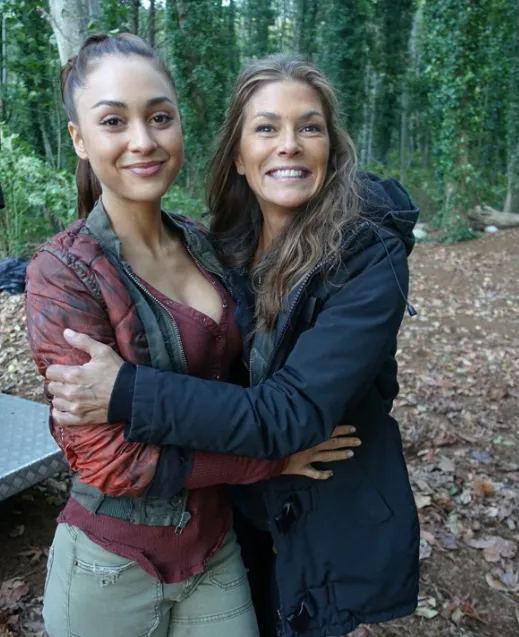
Repeated questions still bring slightly different answers each time.
Actors often receive similar questions across different interviews repeatedly. However, answers can change slightly depending on context and timing. The 100 Wish TV interview demonstrates how responses evolve naturally. Lindsey Morgan might emphasize different aspects of the same topic. This variation keeps interviews from feeling completely repetitive. It also reflects changes in perspective over time.
Audience questions sometimes shape the direction of interviews.
Some interviews include fan questions that influence the discussion flow. These questions often focus on specific scenes or character choices. In the 100 interviews with Lindsey Morgan, audience interest becomes visible through these topics. It shows what viewers find most important or confusing. This interaction creates a connection between the audience and the production. It also guides what information gets shared publicly.
Interviews highlight the effort behind maintaining consistency in performance.
Consistency across episodes requires attention to character behavior and tone. Lindsey Morgan explains how small details must stay aligned across scenes. The 100 Wishes TV interview discusses how continuity affects performance. Even minor changes can impact how a character is perceived. This level of detail shows how carefully scenes are managed. It is not always visible, but it plays an important role.
Media platforms affect how interviews are presented and structured.
Different platforms present interviews in slightly different ways overall. Television interviews may feel shorter and more focused on key points. Online interviews sometimes allow more detailed and relaxed discussions. In the 100th interview, Lindsey Morgan appears in both formats with noticeable differences. This variation affects how information is delivered to the audience. It changes pacing and depth without altering the core message.
The practical value of interviews comes from understanding the process clearly.
Interviews help viewers understand how scenes are created and performed. They provide insight into the preparation, coordination, and execution of scenes. The 100 Wish TV interview adds value by showing these processes simply. It is not about storytelling but about explaining how things work. This practical information improves overall appreciation of the show. It connects viewers to the production side directly.
Conclusion
Interviews like these offer useful insight into how performances are shaped behind the scenes. They help connect acting choices with what appears on screen without confusion. The focus stays on process, preparation, and collaboration rather than just plot details. This makes them valuable for both casual viewers and dedicated fans. To gain a better understanding, review multiple interviews and compare responses carefully. For deeper analysis and consistent updates, continue exploring structured guides and stay informed through professional sources.