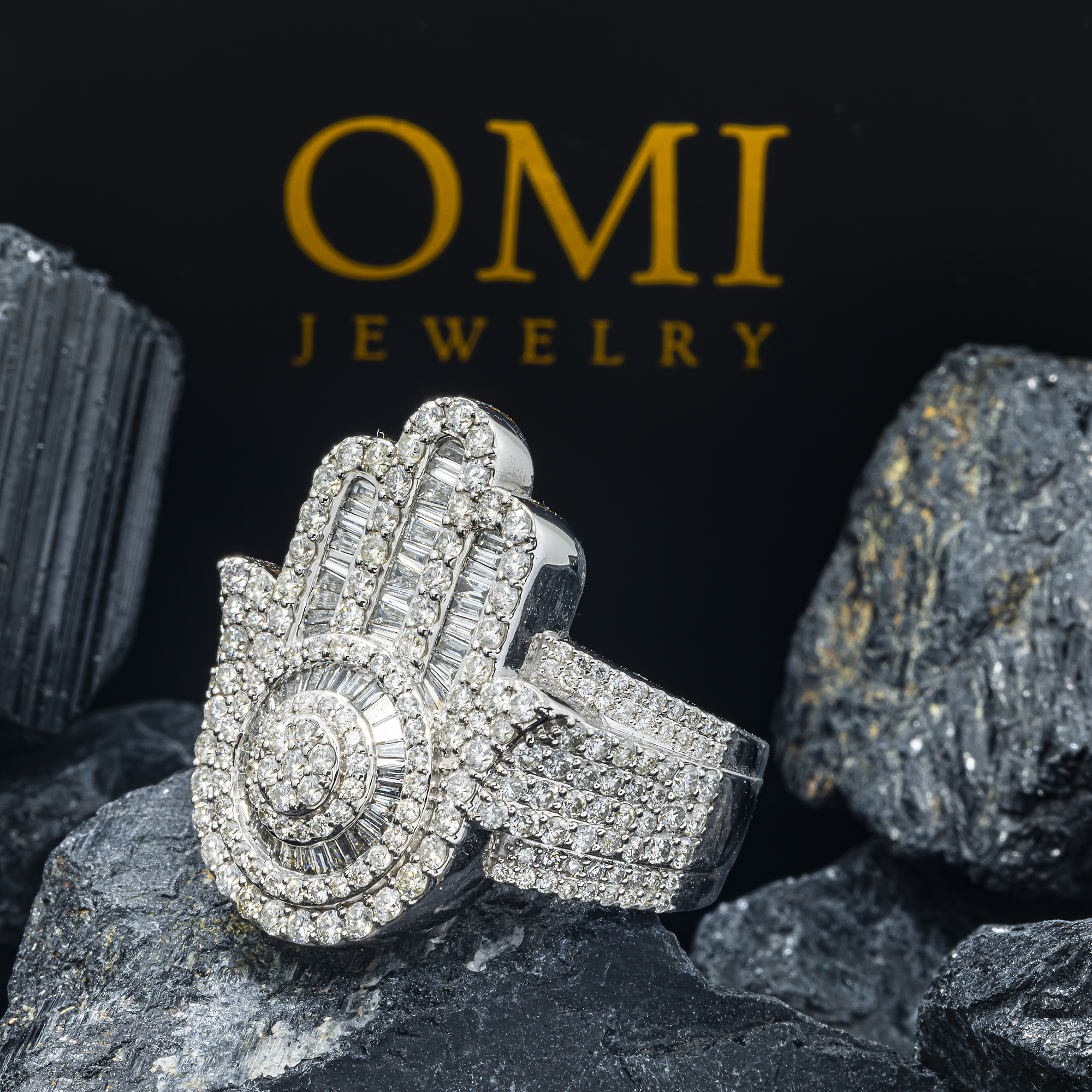
Buying diamond jewelry is often one of the most significant emotional and financial investments a person makes. Whether you are hunting for an engagement ring that will be cherished for decades or a statement piece to celebrate a personal milestone, the process is shrouded in a mix of excitement and, quite frankly, a little bit of anxiety. Most buyers walk into a showroom knowing about the four Cs, but luxury expertise goes far beyond basic grading. The difference between a brilliant investment and a lackluster purchase often lies in the details that aren’t printed on a price tag. To ensure your next acquisition is truly spectacular, you must navigate the market with a keen eye and a healthy dose of skepticism regarding common retail traps.
Falling into the Carat Weight Trap
The most frequent mistake buyers make is prioritizing carat weight above every other factor. It is a natural human instinct to want the biggest stone possible for your budget, but in the diamond world, size is not synonymous with beauty. A massive diamond with a poor cut will look dull, glass-like, and significantly less impressive than a slightly smaller stone with a “triple excellent” rating. When a diamond is cut poorly, light leaks out of the bottom or sides instead of reflecting back through the top, effectively killing the “fire” and brilliance. Experts suggest looking for the sweet spot just below full carat marks, such as a 0.90 or 1.90 carat stone. These diamonds often cost significantly less than their full-carat counterparts while being visually indistinguishable once set in a ring or pendant.
Ignoring the Nuances of Fluorescence and Color
Many shoppers spend hours debating between a “D” and an “E” color grade, only to ignore the subtle presence of fluorescence. While a faint blue fluorescence can actually make a slightly yellowish diamond look whiter in natural sunlight, “strong” or “very strong” fluorescence can give a high-quality stone a milky or oily appearance. This is a nuance that standard grading reports might mention, but only a physical inspection under various lighting conditions can reveal how it truly affects the stone’s personality. Furthermore, the metal of the setting should dictate your color choice. If you are setting a diamond in 18k yellow gold, you can often drop down a few color grades without any noticeable difference, as the warm metal reflects through the stone anyway. Saving money on color allows you to reinvest that capital into a superior clarity or cut.
Neglecting the Integrity of the Setting and Craftsmanship
A diamond is only as secure and beautiful as the metal that holds it. A common blunder is spending the entire budget on the stone and settling for a mass-produced, flimsy setting. In high-end jewelry, the “architecture” of the piece is paramount. Prongs should be substantial enough to protect the stone from daily knocks without being so bulky that they hide the diamond’s facets. When you visit a premier boutique like https://omijewelry.com/, you can see how master jewelers balance structural integrity with aesthetic elegance. A poorly made setting can lead to lost stones or snagging on fine fabrics, turning your luxury investment into a maintenance nightmare. Always inspect the “under-gallery” of a piece; a well-finished jewelry item is just as beautiful on the side that touches your skin as it is on the side the world sees.
Overlooking the Importance of Certification and Provenance
In an era where lab-grown diamonds and high-quality stimulants are becoming more prevalent, relying on a verbal “trust me” from a salesperson is a recipe for disaster. One of the costliest mistakes is purchasing a significant stone without an independent, third-party certification from a reputable lab like the GIA or IGI. These reports act as the “birth certificate” of your diamond, verifying its natural origin and specific characteristics. However, do not let the paper do all the talking. Two diamonds with identical grades on paper can look vastly different in person due to the location of inclusions. An inclusion dead-center under the table of the diamond is far more detrimental than one hidden near the girdle where a prong can cover it. Taking the time to explore our location allows you to use a jeweler’s loupe and see these microscopic details for yourself before committing.
Thinking Only About the Present and Not the Future
Luxury jewelry should be timeless, yet many buyers get caught up in fleeting trends that may feel dated within a few years. While “iced out” or overly ornate designs are popular today, consider how the piece will fit your lifestyle a decade from now. Another forward-thinking mistake is failing to consider the “stackability” or “pairability” of a piece. If you are buying a diamond ring, will it sit flush against a wedding band later? If you are buying a pendant, is the bail large enough to accommodate different chain widths? True luxury experts advise buying with an eye toward versatility. A classic, well-proportioned diamond piece should be able to transition seamlessly from a casual brunch to a formal gala, maintaining its relevance regardless of how fashion cycles shift.
Making an Informed Decision for Lasting Brilliance
Avoiding these common pitfalls requires a shift in mindset from being a passive consumer to an active curator of your own collection. By prioritizing cut quality over raw size, understanding the relationship between color and setting, and insisting on reputable certification, you protect your investment from unnecessary depreciation. Remember that the goal is to find a stone that speaks to you, but one that is also technically sound and masterfully set. Buying diamond jewelry is a journey of education and refinement. When you take the time to look beyond the surface sparkle and investigate the technical craftsmanship and grading nuances, you ensure that the piece you bring home will continue to radiate light and value for a lifetime. Always trust your eyes and your research, and you will walk away with a treasure that truly stands the test of time.