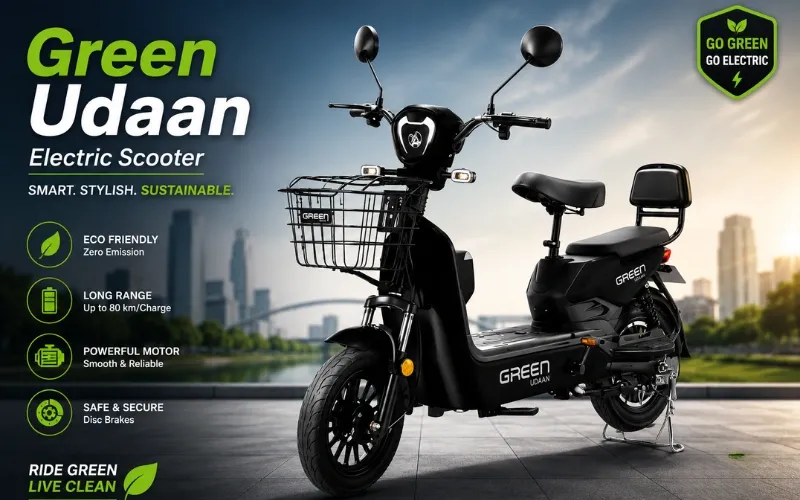
Buying a first motorcycle can feel exciting because it represents a new level of personal mobility. carandbikejunction.com helps new riders explore motorcycle information, buying considerations, and practical advice for vehicle ownership. The number of available models can make the decision confusing, especially when every manufacturer highlights different advantages. First-time buyers should focus on manageable performance, comfortable handling, safety equipment, and affordable ownership. A motorcycle that looks impressive may not be the easiest option for someone learning to ride. There is nothing wrong with choosing a modest model that suits present needs. Experience can grow over time, and future choices can change as riding skills develop.
Setting A Realistic Budget
Begin by deciding how much money can comfortably be spent. The motorcycle price is only one part of the total purchase cost. Registration, insurance, riding equipment, fuel, servicing, and other expenses should also be considered.
Avoid using the entire available budget on the motorcycle itself. A certified helmet and suitable protective equipment should receive priority. These items are part of responsible riding rather than optional decorations.
If financing is involved, understand the interest rate, repayment period, and additional charges. Compare the complete amount payable instead of focusing only on the monthly instalment. Choose a payment arrangement that does not create unnecessary financial pressure.
Choosing A Manageable Motorcycle
First-time riders should consider the motorcycle’s weight, seat height, and engine response. A lighter model may feel easier to move during parking and low-speed manoeuvres. Seat height also matters because the rider needs confidence while stopping and starting.
An extremely powerful motorcycle may be difficult for someone with limited riding experience. Smooth and predictable performance can be more useful during the learning stage. Choose a model that matches your ability rather than trying to impress other people.
Check whether the controls are easy to reach. Clutch operation, brake levers, gear changes, and handlebar position should feel manageable. A short test ride can help identify discomfort before purchase.
Learning Before Regular Riding
A new motorcycle owner should develop proper riding skills before entering difficult traffic conditions. Learn clutch control, braking, turning, balance, and safe starting procedures. A recognized training course can provide useful guidance for beginners.
Practise in a suitable controlled area before attempting crowded roads. Become familiar with the motorcycle’s weight and response. Do not carry passengers until you have developed sufficient control and confidence.
Always follow licensing requirements and local traffic rules. Wear a suitable helmet and protective clothing on every ride. Short journeys also involve road risks, so protective equipment should remain part of the routine.
Inspecting The Motorcycle
Whether buying new or used, inspect the motorcycle carefully. For a new bike, confirm the exact variant, included equipment, warranty terms, and delivery condition. Check that the registration and insurance arrangements are understood.
Used motorcycles require additional attention. Examine the frame, engine, tyres, brakes, lights, and suspension. Ask for service records and verify the ownership documents through appropriate official procedures.
Consider arranging an independent inspection before buying a used model. A qualified mechanic may identify problems that are difficult for a beginner to recognize. Avoid paying a deposit before important documents and conditions have been checked.
Understanding Ownership Responsibilities
Owning a motorcycle involves regular care and attention. Check tyre pressure, lights, brakes, and visible leaks as part of a sensible routine. Follow the manufacturer’s service schedule and use recommended replacement parts.
Keep insurance and registration information updated according to local requirements. Store purchase documents and service records safely. These records can become useful during repairs, insurance matters, or resale.
Develop responsible riding habits from the beginning. Avoid speeding, sudden manoeuvres, and unnecessary phone use while riding. Leave sufficient distance from other vehicles and adjust your speed when road conditions change.
Conclusion
Buying your first motorcycle becomes easier when the decision is based on budget, comfort, manageable performance, and safety. Take time to compare suitable models and inspect every important detail before payment. Learn proper riding skills and maintain the motorcycle according to manufacturer guidance. Explore more beginner-friendly motorcycle information through carandbikejunction.com, and choose a bike that supports safe and confident riding.
Read also :-